
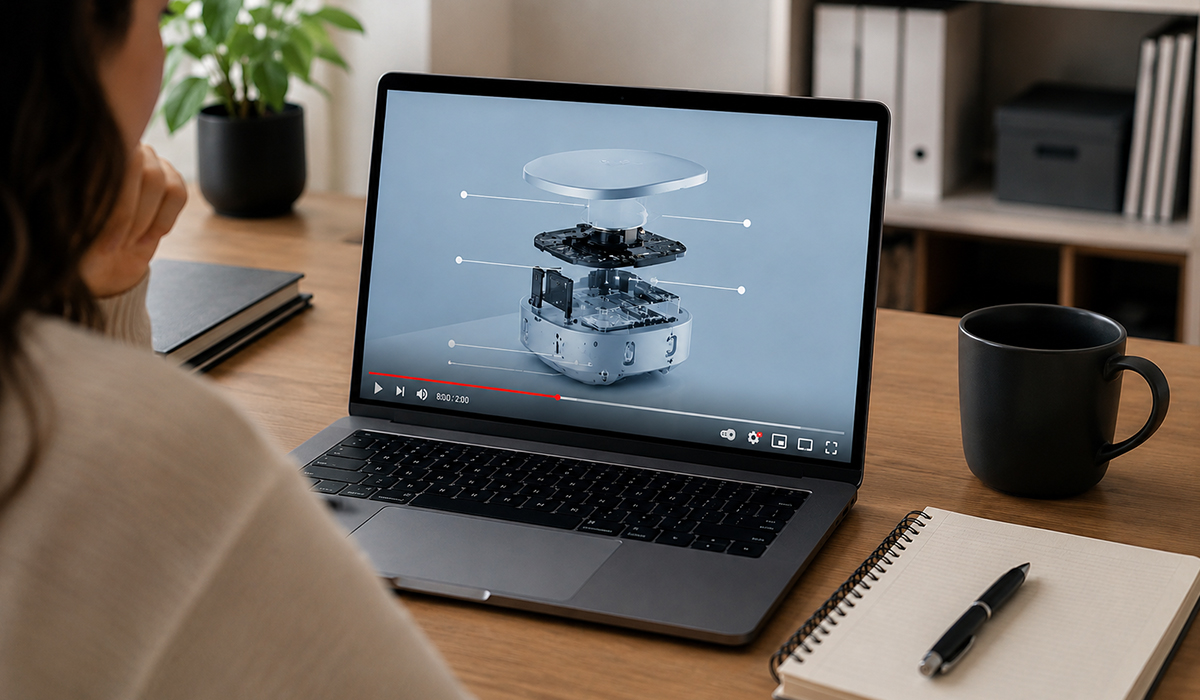
A product can solve an important problem and still struggle to attract customers if people do not understand how it works. Features, technical language, and long explanations may leave potential buyers uncertain about the product’s value. Explainer videos address that gap by showing a problem, presenting a solution, and making the next step easier to understand. With support from an explainer video company Mumbai, brands can turn complex information into clear communication.
Make complex ideas easier to understand
Explainer videos combine narration, visuals, movement, and examples. This makes them useful for products that involve a process, service, platform, or unfamiliar concept. Instead of asking an audience to interpret a long paragraph, a video can show how the product fits into a real situation.
A strong explainer focuses on one central question: what problem does the customer have, and how does the product help solve it? The answer should appear early, use familiar language, and avoid unnecessary detail. When viewers recognise their own challenge, they have a stronger reason to continue watching.
Visual explanation is especially valuable when a product cannot be easily photographed. Software dashboards, financial services, logistics systems, healthcare processes, and technical tools may require diagrams, screen recordings, animation, or demonstrations. These elements give shape to ideas that would otherwise remain abstract.
Support decisions at the right moment
Explainer videos can help at several stages of the customer journey. An introductory video may create awareness, while a feature-focused video can help a potential customer compare options. A short answer to a common objection may support a sales conversation, and an onboarding video can help a new customer begin with confidence.
The most effective video depends on the viewer’s level of knowledge. Someone encountering the product for the first time needs a simple overview. Someone close to purchase may need details about pricing, setup, integration, security, or expected results. A useful content plan gives each video a specific audience and purpose.
Turn attention into action
Understanding does not automatically lead to conversion. The video should connect information with a clear next step, such as requesting a demonstration, downloading a guide, starting a trial, contacting sales, or exploring a product page.
The call to action should feel like a natural continuation of the explanation. A basic overview may lead to further information, while a detailed demonstration may lead to a consultation. Placement also matters. An explainer on a landing page can clarify an offer before visitors submit a form, while a short social version can attract people to the website.
Improve customer education after purchase
Explainer videos are not only sales assets. They can reduce uncertainty after conversion by showing customers how to set up, use, maintain, or troubleshoot a product. Clear education can improve adoption and reduce avoidable support requests.
A customer education library might include an introduction for new users, tutorials for important features, answers to common questions, and updates when the product changes. Customers who understand how to gain value are more likely to use a product consistently, discover additional features, and remain satisfied.
Design for different platforms
A full explainer on a website may need a shorter version for social media, email, paid advertising, or a sales presentation. The central message can remain consistent while the opening, length, framing, captions, and call to action change for each channel.
Working with a video content marketing agency can help brands plan these versions as part of one connected campaign. Instead of producing one asset and adapting it later, the team can consider distribution during scripting. This creates a more consistent customer experience across touchpoints.
Accessibility should also be part of the design. Captions, clear contrast, readable text, descriptive visuals, and a strong audio mix help more people understand the message. Essential information should be communicated through more than sound alone whenever possible.
Use AI without losing clarity
Artificial intelligence can support scripting, storyboarding, voiceover, animation, translation, editing, and versioning. These tools can help small teams produce more educational content or update existing videos when product information changes.
The technology should serve the explanation rather than distract from it. Fast visuals, synthetic voices, or elaborate effects cannot compensate for a weak structure. Every script needs human review for accuracy, tone, terminology, and claims. A clear message remains more valuable than a technically impressive video that leaves viewers uncertain.
An AI spokesperson video agency can help brands create consistent presenter-led explainers for recurring updates, onboarding messages, and frequently asked questions. This approach can be efficient when information is structured and regularly revised, provided the presentation remains transparent and trustworthy.
Measure understanding and business impact
Brands should evaluate more than views. Completion rate, watch time, replay behaviour, clicks, form submissions, demo requests, trial starts, support questions, and conversions can show whether a video is doing its job. Feedback from sales and support teams can reveal whether customers are asking fewer repetitive questions or arriving better prepared.
Testing can improve performance over time. A different opening may clarify the problem faster, a simpler visual may improve completion, and a revised call to action may increase enquiries. With a disciplined process, Comaag Ventures can use an AI video production agency approach to create explainers that improve understanding, support conversion, and educate customers long after the first viewing.